
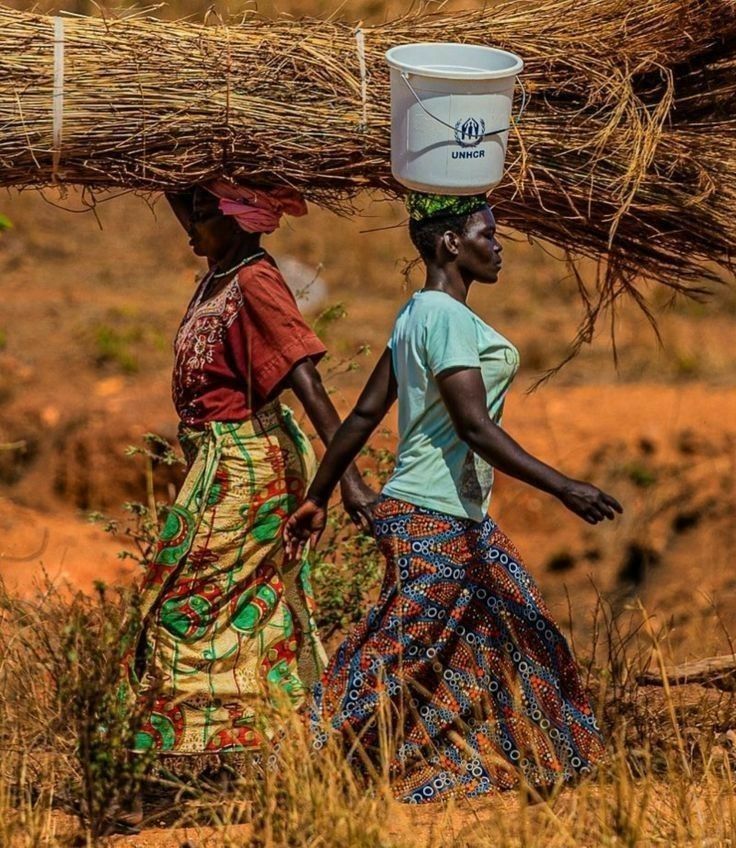
The Role of Women in the Mau Mau Uprising
The Mau Mau Uprising was not only a military and political struggle led by men, but also a movement in which women played a deeply important and often underrecognized role. Women contributed in many different ways, including as providers of food, intelligence gatherers, couriers, spiritual supporters, and in some cases active fighters. In the forest hideouts, where Mau Mau fighters lived under harsh conditions, women helped sustain the movement by secretly transporting food, medicine, and ammunition through colonial checkpoints. Many of them risked arrest, torture, or death if caught, yet they continued to support the struggle because they believed in the fight for land, freedom, and justice.
In rural villages, women became a vital communication link between the fighters in the forest and the communities that supported them. They carried messages hidden in baskets, clothing, or food supplies, often under constant surveillance by colonial forces and loyalist informants. Some women also played a role in organizing oathing ceremonies, which were important in building unity and commitment within the movement. These ceremonies helped strengthen trust among members and reinforced the shared goal of resisting colonial rule.
Women were also directly affected by colonial repression during the Emergency period. Many were arrested and detained in camps where they faced harsh conditions, forced labor, and separation from their families. Despite these hardships, women continued to play a role in maintaining the morale of communities, caring for children, and preserving cultural and social stability in villages disrupted by war and displacement.
In addition to logistical and support roles, there were also women who took part in armed resistance, though they were fewer in number compared to men. These women challenged traditional gender roles of the time and demonstrated that the struggle for independence was a shared national effort. Their involvement showed courage and determination in a period when participation in combat was extremely dangerous for anyone, especially women.
Overall, the contribution of women in the Mau Mau Uprising was essential to the survival and effectiveness of the movement. Without their support networks, intelligence work, and resilience under colonial pressure, the uprising would not have been sustained for as long as it was. Their role remains a key part of Kenya’s history of resistance and independence.